Showing posts with label Bulbs. Show all posts

Tuesday, September 4, 2012

Ranunculus!


Time to Plant Ranunculus!

Sometimes I feel guilty for having a favorite flower, but if I had to pick one, it would be ranunculus!  All of the fall planted bulbs are gorgeous:  freesia, daffodils, Dutch iris, etc., but the ranunculus are amazing with their dozens of papery petals and brilliant colors.  And like the other bulbs, they are great cut flowers.  Here's what you need to know to grow them:

1.  When to plant - Late September to November in Southern California.
2.  Where to buy - online bulb catalogs, nurseries or home improvement centers.  Note that home improvement centers often only have bags of mixed colors.  If you want single colors, check out nurseries which often have boxes of single colors of corms you can choose individually.
3.  How to plant - They can be started in six packs or planted directly in the ground.  To plant in six packs, fill clean six packs with potting soil and place one corm, pointy ends down about 1/2 inch deep, covering with soil.  Transplant to garden when plants are 4-6 inches tall.  To plant directly in the ground, prepare bed by adding soil amendment and fertilizer to soil, mix in well.  Plant corms 1/2 to 1 inch deep.  Water well, but do not keep soil soggy as bulbs may rot.  It takes a couple of weeks for bulbs to sprout, depending on temperatures.  Bait for snails, and if bunnies are a problem in your garden, protect young seedlings with tents of chicken wire.
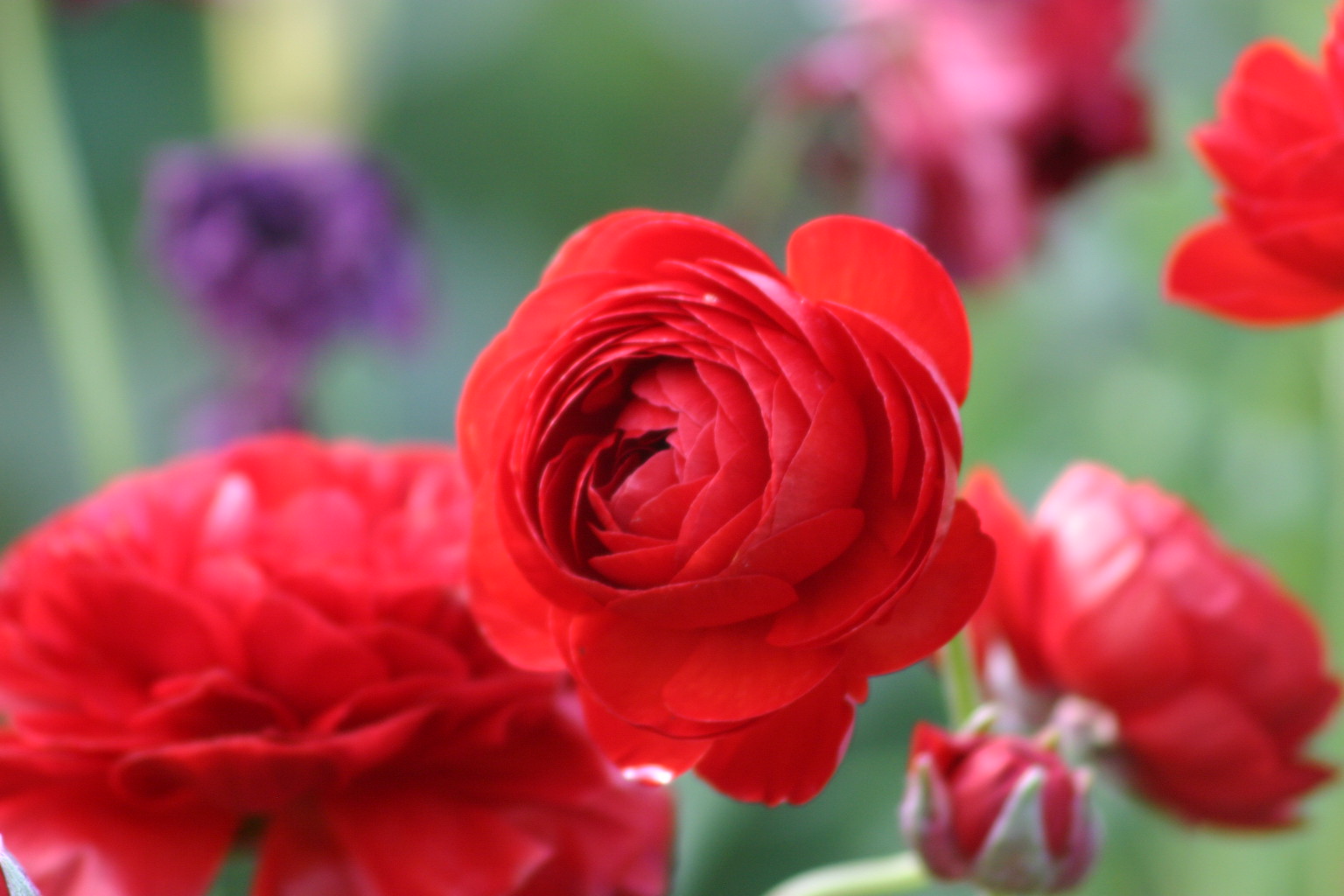


Beautiful in pots or......


...in the garden with other flowers!


Wednesday, December 28, 2011

Holiday Bulb Gifts

'Amaryllis' (actually South American Hippeastrum)

Did you receive or purchase blooming potted 'amaryllis' or 'paper whites' this holiday season?

These bulbs are very popular gifts over the holidays and have been 'forced' to bloom at this time of year. Most people I know treat them like cut flowers and toss them out once they are finished blooming.  But don't throw them away! This is a gift that can keep on giving for many seasons to come in southern California if you know what to do.

'Amaryllis' (actually South American Hippeastrum) and 'paper whites' (a type of narcissus) are bulbs which if cared for properly will bloom again and, best of all, multiply!  The easiest way to get them to bloom again in Southern California is to plant them outside in the garden.  

'Amaryllis' like full sun and well drained soil.  Plant the bulb with the top third above the soil.  Do not cut off the leaves until they are completely withered because they are producing food for the next year's blooms.  I also keep them in pots outdoors, where they bloom for several years and produce side bulbs which I separate and pot up to produce new plants.  The new plants may not bloom their first season, but will by the second year.  This way I have plants to share every year.  Note that the natural bloom time outdoors in southern California is late winter/early spring, not Christmas time.

'Paper Whites' need full to partial sun and well drained soil.  Again, plant with the leaves intact about twice the depth of the bulb and spacing each bulb 4" to 8" apart.  The natural bloom time for this bulb is mid to late fall in my southern California garden.  It is such a treat to see them as not much else in the garden is blooming at that time of year.  I love to cut them and bring them inside, but beware, some people (including my husband!) find the fragrance annoying.

'Forcing' bulbs for the next holiday season:  Purchase new amaryllis or paper white bulbs in the fall and plant in containers six weeks before you want the bloom (ie: for December 25th bloom, plant mid November).


Thursday, October 13, 2011

Fall Planted Bulbs

Yellow ranunculus and white freesias with blue forget-me-nots


Have you planted bulbs yet? If you want a foolproof, spectacular display of spring color, plant bulbs this fall!

Dutch Iris
Choose these varieties for flowers that will return year after year in Southern California:
- Dutch iris
- Freesia
- Daffodils

Ranunculus
Others that are beautiful but usually need to be planted every year are:
- Ranunculus
- Anemone

Freesia
Bulbs that need pre chilling in Socal:
- Tulips
- Hyacinths

Daffodil
Bulb planting tips:

- Plant at depth indicated for bulb type
- Add fertilizer at time of planting
- Overseed planting area with spring blooming annuals such as California poppy, alyssum, bachelor buttons, forget-me-nots, etc.
- Plant in groups of 8 - 10 bulbs or larger swaths for best displays
- For natural look, toss bulbs onto soil and plant where they land rather than in rows
- Plant in between perennials to disguise the dying foliage after bloom
- After bloom let foliage completely die before cutting off if you want bulbs to return the next year (the leaves produce the food that the bulb stores for the next year's growth)
Freesia underplanted with forget-me-nots and chrysanthemum

Happy Gardening!

Friday, July 22, 2011

Favorite July Flowers: Crocosmia


I recently hosted a potluck for Master Gardeners at my home (talk about peer pressure!) and the most asked about flowers in the garden were the crocosmia.  The variety I grow is 'Lucifer' which is bright red, blooms in July and reaches a height of about 4'.  They are especially striking planted toward the rear of the flower bed with yellow or white flowers in the foreground.  They make great cut flowers adding a lovely arching form to bouquets.  But the best thing of all is that they are silly easy to grow and multiply!  

Crocosmia Growing Tips:

Plant:  These South African native bulbs (corms, actually) like well-drained soil.  In spring (also fall in warm winter areas) set corms 2" deep, 3" apart in full sun to part sun.  They are hardy to zone 5 and will reappear each spring.  They are also good in pots.
Propagate:  When foliage dies back, dig up corms, divide and replant.  'Lucifer' also self sows seed if the spent blooms are left on the plant to ripen.
Care:  Do not over water as corms can rot in soggy ground.  They seem to bloom well whether or not I fertilize and are virtually pest free.  Once bloom is finished, leave foliage until it browns and withers as it is producing food for the corms for next year's bloom.

Happy Gardening!

Thursday, July 7, 2011

Favorite July Flowers: Dahlia

I love to bring cut flowers into the house and dahlias provide a beautiful supply all summer. In my southern California garden, the dahlias return every year from their slumbering underground tubers. The foliage first pokes through the soil in late spring with the first flowers appearing in late June/early July. And spectacular flowers they are! If you have never tried them or have only planted the dwarf varieties, definitely try the taller ones. There are so many varieties, classified by type of bloom (decorative, cactus, pom pom, ball, to name a few).

To plant now, purchase one gallon plants which will soon or already be blooming. But to save money and get more variety, next year purchase tubers in early spring. Plant the tubers after danger of frost has passed, the same time you would plant tomatoes. The taller varieties need to be staked so place a 3 - 4 foot stake next to the tuber at time of planting. This also helps you remember exactly where they are while you wait for the foliage to appear. Plant in full sun, add fertilizer to planting hole, give moderate water, and bait for snails as they will decimate the emerging foliage. Then wait for the spectacular flowers which will keep coming until frost. In my zone 9 garden, I leave the tubers in the ground over winter, but in colder areas, lift and store over winter then replant in spring.

Happy Gardening!

To get more information on dahlias click here